What Exactly Is a 24-Hour Adult Gaming Centre?
Adult gaming centres are licensed venues offering mainly Category C slot machines. These carry a maximum stake of £2 and a maximum prize of £500 per rules set by the UK Gambling Commission.
There’s a clear distinction between AGCs and betting shops. AGCs aren’t about over-the-counter wagers but individual games machines. There are no restrictions preventing them from operating round the clock. Though they do have to meet local licensing conditions.
Nevertheless, they must comply with the Gambling Act 2005 and meet objectives around preventing crime and disorder, making sure gambling is fair and open and protecting children and vulnerable people.
Bridgwater: Local Concerns Over a 24-Hour Venue
In Bridgwater, Somerset, Godden Gaming Organisation has applied to convert a former WH Smith store into a 24-hour AGC. The unit has been empty since September 2024, when the retailer’s lease expired.
Last October, East Kent Leasing Limited applied for permission for the unit to be licensed as an Adult Gaming Centre.
Members of the town council’s planning committee have voiced concerns about existing anti-social behaviour in the area. Questions have been asked about whether a round-the-clock venue would actually improve the town centre.
However, the centre will create 8 jobs for the town, seven of which will be full-time roles.
Some residents have said they would prefer the unit remain empty rather. Others acknowledge the difficulty of attracting alternative tenants. The council are accepting comments on the proposals until 3 March.
Whitby: Appeal Approval Despite 500 Objections
A similar case in Whitby shows how these debates can unfold.
There, more than 500 objections were lodged against plans for a 24-hour AGC in a former Halifax building. Plans were previously rejected, but a government inspector overturned the decision. It was concluded that there was insufficient evidence that it would cause disorder or harm the character of the area.
Apparently, the operator will invest £500,000 in the property and will create 12 full-time jobs.
Planning Policy Versus Public Perception
There are clearly two sides to the argument.
|
Operators’ points:
|
Opposing concerns:
|
|
AGCs are fully regulated.
|
Issues with late-night activity.
|
|
Creating jobs and staffed by trained employees.
|
“Clustering” of gambling premises.
|
|
Alcohol-free.
|
Visibility of gaming machines on high streets.
|
|
Strict machine stake size and prize limits per UKGC rules.
|
Potential impact on vulnerable individuals.
|
Planning authorities must base decisions on evidence rather than moral objections. Under the Gambling Act framework, the mere presence of gambling is not, in itself, grounds for refusal.
High Streets and Commercial Units
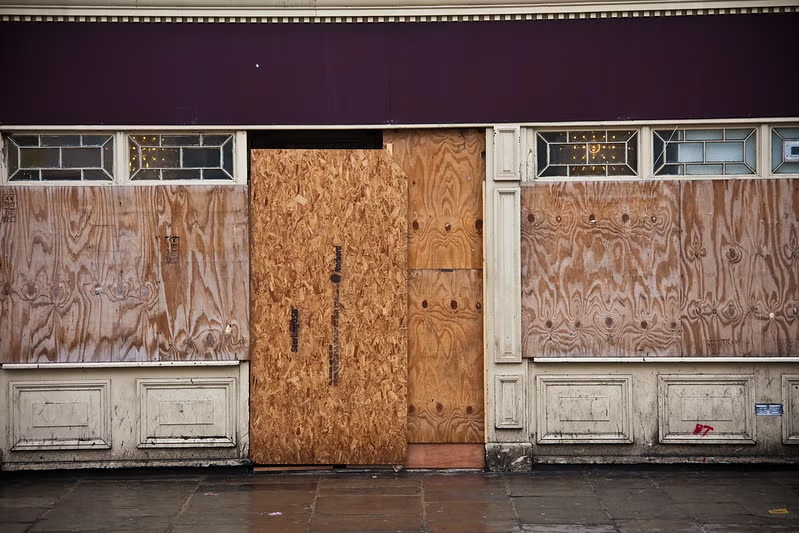
Across many UK towns, vacant retail units remain difficult to fill. In several recent cases, estate agents have indicated limited commercial interest in empty premises beyond gambling operators. The Centre for Retail Research statistics show that in 2025, 3,380 stores and 32,553 employees were affected. These included Bodycare, Pepco, Quiz Clothing and The Original Factory Shop.
This creates a dilemma for councils: reject a gambling application and risk prolonged vacancy or approve a regulated venue that divides opinion but brings business rates and activity back to the high street.








_for_$2.25_Billion.jpeg "Clorox to Purchase Gojo Industries (Purell Maker) for $2.25 Billion")